
Discover if Laser Eye Surgery Is Right for You

Laser eye surgery offers an exciting opportunity to reduce or eliminate dependence on glasses and contact lenses. Whether you’re dealing with myopia, hyperopia, or astigmatism, refractive eye surgery can help you achieve clearer vision.
To determine if you’re a candidate, we offer comprehensive consultations to discuss your options, answer questions, and help you make an informed decision.
Our goal is to guide you through the process, from assessing your eye health and prescription to managing your pre- and post-surgery care. If you’re considering laser eye surgery, book your consultation today.

Who Is a Good Candidate for Laser Eye Surgery?
Laser eye surgery is effective for many people with common refractive errors, but it’s important to understand that not everyone is suited for this procedure. Ideal candidates for laser vision correction typically meet these criteria:
- Stable prescription
- Healthy eyes
- Over 18
- Good general health
During your consultation, we will assess your eye health and determine which type of laser vision correction is best for your vision needs.

What to Expect During Your Consultation
During your laser eye surgery consultation, you’ll receive a comprehensive eye exam to assess your prescription and eye health. Our optometrists will discuss:
- Surgical options: We’ll review procedures like LASIK, PRK, and refractive lens exchange to determine the best fit for you.
- Expectations: We’ll cover what laser surgery can achieve, including reducing or eliminating the need for glasses or contacts, but it may not guarantee perfect vision.
- Post-surgery care: We’ll outline follow-up visits to monitor healing.
Types of Refractive Eye Surgery
There are several types of refractive surgeries, each offering unique benefits depending on your needs:
- LASIK (laser-assisted in situ keratomileusis): A popular option for patients with myopia, hyperopia, or astigmatism, LASIK helps reshape the cornea to improve focus.
- PRK (photorefractive keratectomy): A great option for patients with thinner corneas or other eye characteristics that make LASIK less suitable.
- Refractive lens exchange: This procedure corrects vision by replacing the natural lens of the eye with an artificial lens for people with presbyopia or cataracts.

Co-Management & Post-Operative Care
Although we don’t perform the surgery ourselves, we partner with trusted surgical centres, including TLC and Clear Vision Surgical, for your surgical referral. After surgery, our optometrists provide follow-up care to monitor healing for the best possible results.
If you’re considering laser eye surgery, it’s crucial to have a comprehensive understanding of the process and your options. Book a consultation today to start your journey toward clearer, more comfortable vision!






Come Visit Us
Where to Park
Our office is conveniently located on College Ave West, next to the Guelph Campus Co-operative and across from the OVC Small Animal Clinic. We offer plenty of parking right in front of our clinic. To access our lot, turn onto Borden St., drive behind the building, and circle around to park in front!
Our Address
- 21 College Ave West
- Guelph, ON N1G 1R7
Contact Information
- Phone: 519-822-2710
- Fax: 519-822-7877
Hours of Operation
Your Home for Eyewear







Check Out Our Reviews


Read Our Blogs
How Often Should You Get an Eye Exam?
Eye ExamsNot sure when your next eye exam is due? Clarity Optometry & Vision Care covers exam timing by age, what happens during a visit, and everyday eye care tips. […]
Why Should I Buy Glasses From My Optometrist?
GlassesBuying your glasses from your optometrist means your frames and lenses are selected with more than just your prescription in mind. Your prescribing optometrist is familiar with your ocular health, visual needs, and any factors that may affect how you see, which can play an important role in choosing lenses that maximize your vision and comfort. […]
Read More… from Why Should I Buy Glasses From My Optometrist?
Does Screen Time Affect Your Child’s Eyesight?
Eye ConditionsScreen time can affect your child’s eyesight, though most of the effects are short-term and easy to manage with a few, small habit changes. […]
Read More… from Does Screen Time Affect Your Child’s Eyesight?
How Often Should You Get an Eye Exam?
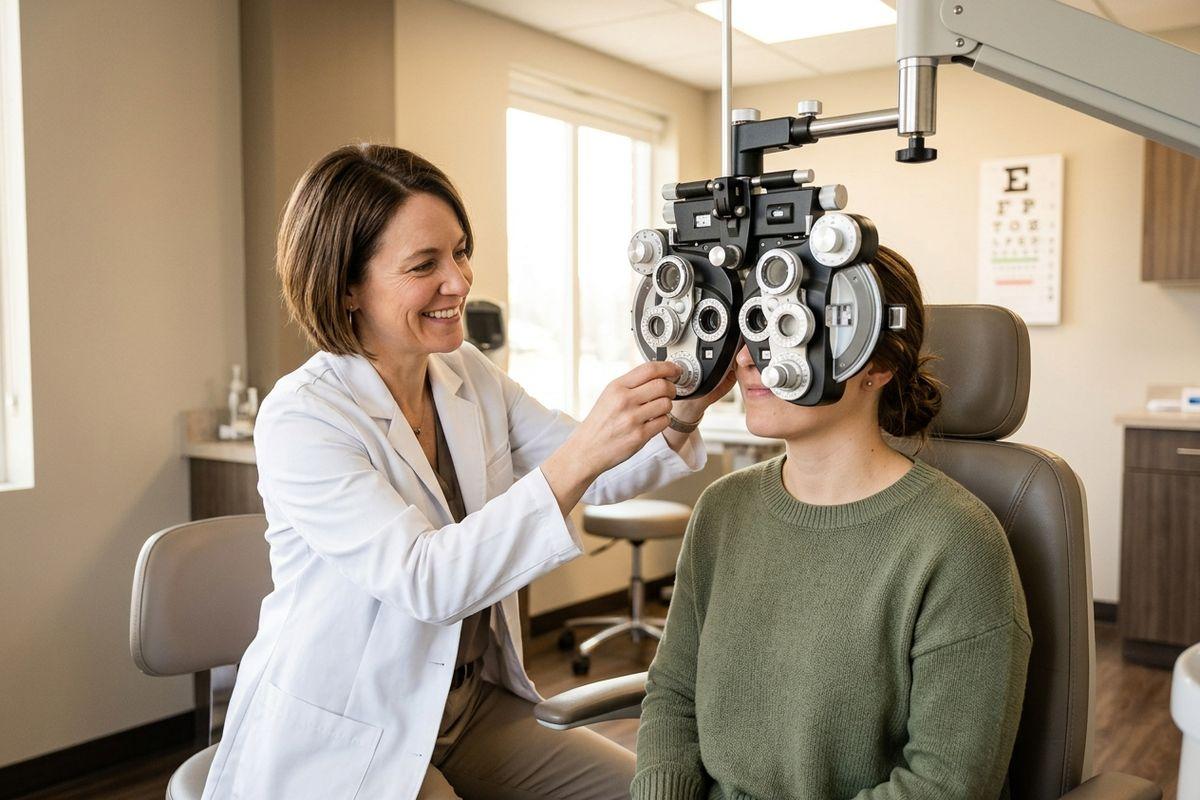
Not sure when your next eye exam is due? Clarity Optometry & Vision Care covers exam timing by age, what happens during a visit, and everyday eye care tips. […]
Why Should I Buy Glasses From My Optometrist?
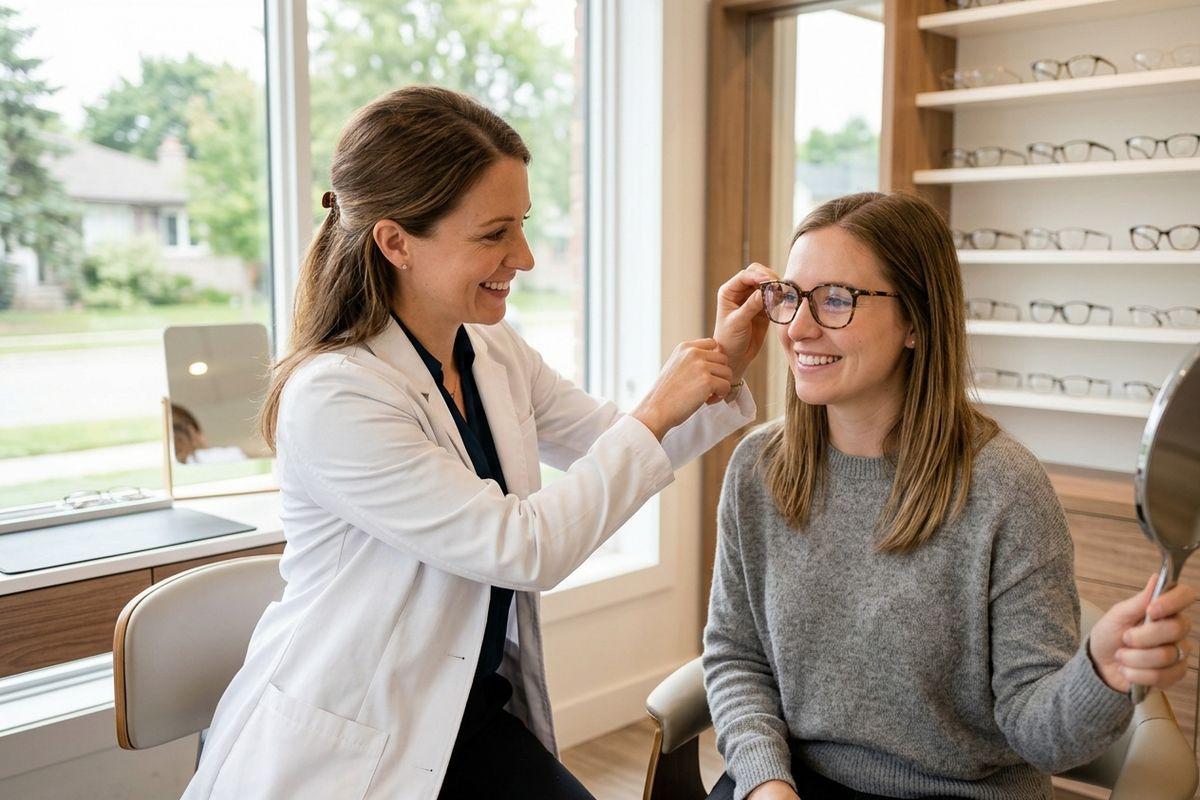
Buying your glasses from your optometrist means your frames and lenses are selected with more than just your prescription in mind. Your prescribing optometrist is familiar with your ocular health, visual needs, and any factors that may affect how you see, which can play an important role in choosing lenses that maximize your vision and comfort. […]
Read More… from Why Should I Buy Glasses From My Optometrist?
Does Screen Time Affect Your Child’s Eyesight?

Screen time can affect your child’s eyesight, though most of the effects are short-term and easy to manage with a few, small habit changes. […]
Read More… from Does Screen Time Affect Your Child’s Eyesight?
Gallery






About Us
Products
Eye Exams
- Adult & Senior Eye Exams
- Children’s Eye Exams
- Contact Lens Exams, Fittings, & Brands
- Diabetic Eye Exams
Online Store
Specialty Eye Exams
- Digital Eye Strain
- Dry Eye Treatment
- Emergency Eye Care
- Eye Disease Diagnosis & Management
- Laser Eye Surgery Consultation
- Myopia Control
- Our Technology
- Eye Nutrition
Location and Appointments
Clarity Optometry & Vision Care
- 21 College Ave West
- Guelph, ON N1G 1R7
- Phone: 519-822-2710
- Fax: 519-822-7877