
You may notice your child squinting to see the whiteboard at school or sitting unusually close to the television at home. At Clarity Optometry & Vision Care, our team frequently helps families navigate this exact predicament. This blurry distance vision is known as myopia, or nearsightedness, and it is an incredibly common condition that often develops during childhood.
Fortunately, several effective myopia management options are available to help slow its progression, including specialized glasses, contact lenses, and compounded eye drops. These custom treatments work in unique ways to correct your child’s vision today while proactively supporting their long-term eye health for the future.
What Is Myopia?
A Simple Look at Nearsightedness
Myopia occurs when the eye grows slightly too long from front to back, causing light rays to focus just in front of the retina rather than directly on it. This elongation makes distant objects appear blurry and out of focus. As a parent, you might notice specific signs as your child grows, including:
- Distant objects, like the classroom whiteboard or a sports field, appear less clear
- Frequent squinting, eye rubbing, or sitting too close to screens and televisions
- Vision prescriptions that seem to change with every annual eye exam
The Importance of Managing Progression
Managing how quickly nearsightedness develops is about much more than simply updating a child’s glasses every year. Taking a proactive approach to their vision care helps slow down how fast their prescription increases over time.
Slowing this progression is incredibly important for a child’s daily development. Rapidly changing vision can lead to frustration in school, sports, and social activities. Furthermore, keeping a child’s prescription lower is a crucial step in supporting their long-term eye health, as higher levels of childhood myopia are often linked to a greater risk of developing complex eye conditions later in life.
Myopia Control Glasses
How These Special Lenses Work
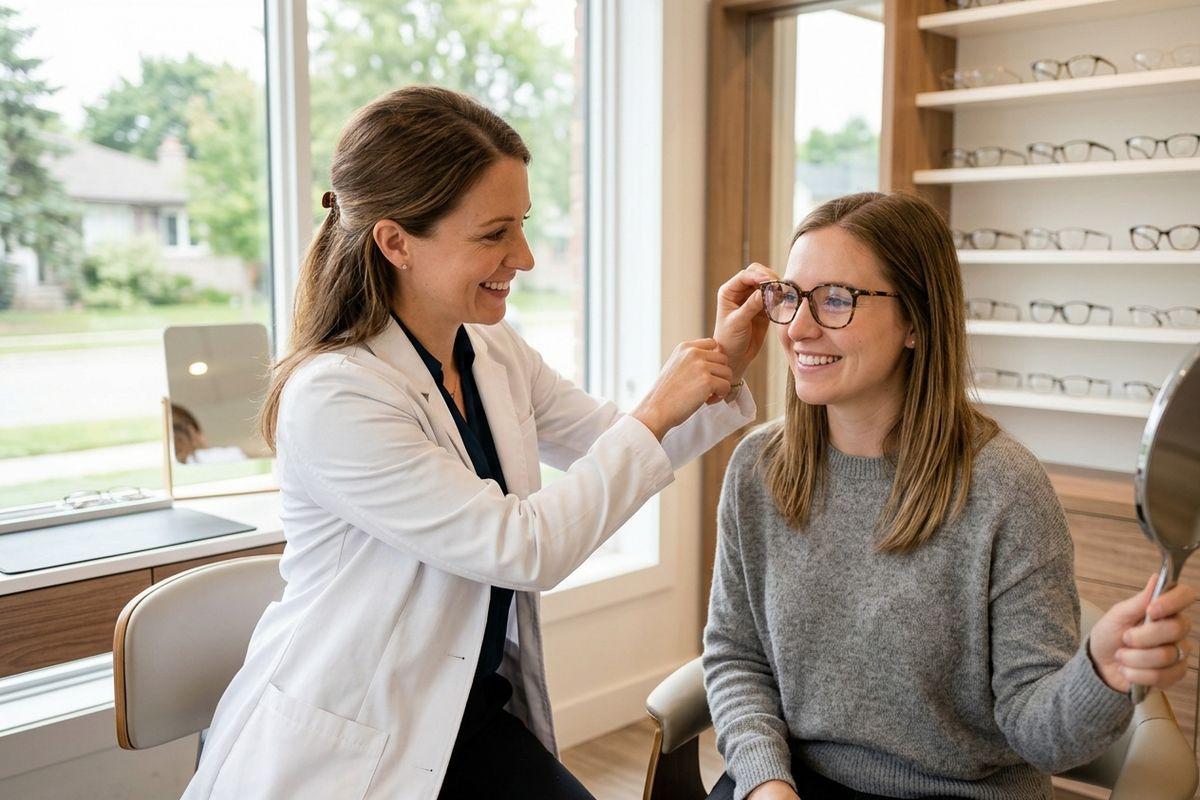
Myopia control glasses look just like a regular pair, but they are built with specific technology. These lenses have different focus zones designed to do two jobs at once. They correct blurry distance vision while also helping to slow down the eye elongation that makes myopia worse.
A Convenient and Simple Option
For many families, these glasses are a straightforward and effective choice because they fit seamlessly into a daily routine. There are no new habits to learn beyond wearing glasses. With a wide selection of stylish frames available, it’s easy to find a pair your child will be happy to wear. This approach, combined with simple habits like encouraging more time spent playing outdoors, can support your child’s vision.
Managing Myopia with Contact Lenses
Daily Multifocal Contact Lenses
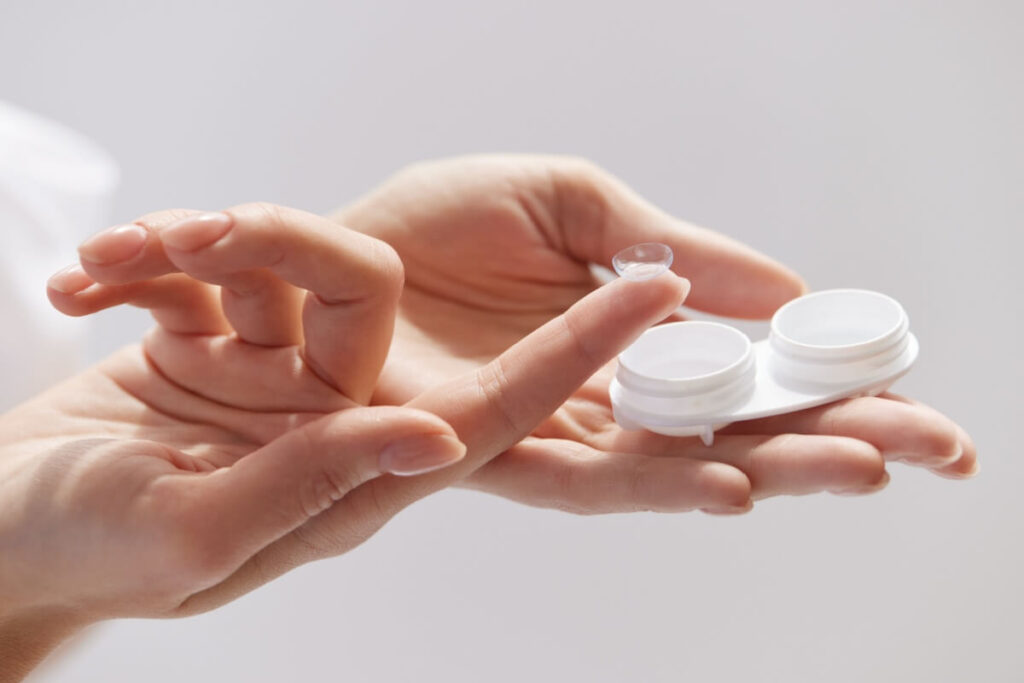
For children who prefer an alternative to traditional glasses, daily multifocal contact lenses offer an excellent option for myopia management. Children wear these soft, disposable lenses throughout the day just like standard contacts. While the center of the lens provides crisp focus for schoolwork and play, the unique outer rings carefully alter how light enters the peripheral vision, a specialized design that helps slow down the rapid progression of nearsightedness.
Overnight Reshaping with Ortho-K
Orthokeratology, commonly known as ortho-k, provides a unique overnight approach to vision care. Instead of wearing correction during the school day, your child wears these custom-fitted, therapeutic lenses only while they sleep. The lenses gently and safely guide the front curvature of the eye overnight, allowing your child to wake up, remove the lenses, and enjoy clear vision all day long without the need for daytime glasses or contacts.
This daytime freedom is especially beneficial for active children who love swimming, playing sports, or exploring the outdoors without the worry of losing a lens. Following proper contact lens hygiene and safety guidelines helps keep their eyes safe and comfortable throughout the process.
Atropine Eye Drops as a Myopia Treatment
Another option for myopia management is a low-dose medicated eye drop. These drops are typically used once every evening before bed, making them easy to incorporate into a child’s nightly routine. The treatment works by relaxing the focusing mechanism of the eye, which helps slow down its elongation. This simple, once-a-day step can be an effective part of a broader myopia control strategy for children, often used alongside glasses.
Choose the Right Myopia Plan for Your Family
How an Optometrist in Guelph Can Help
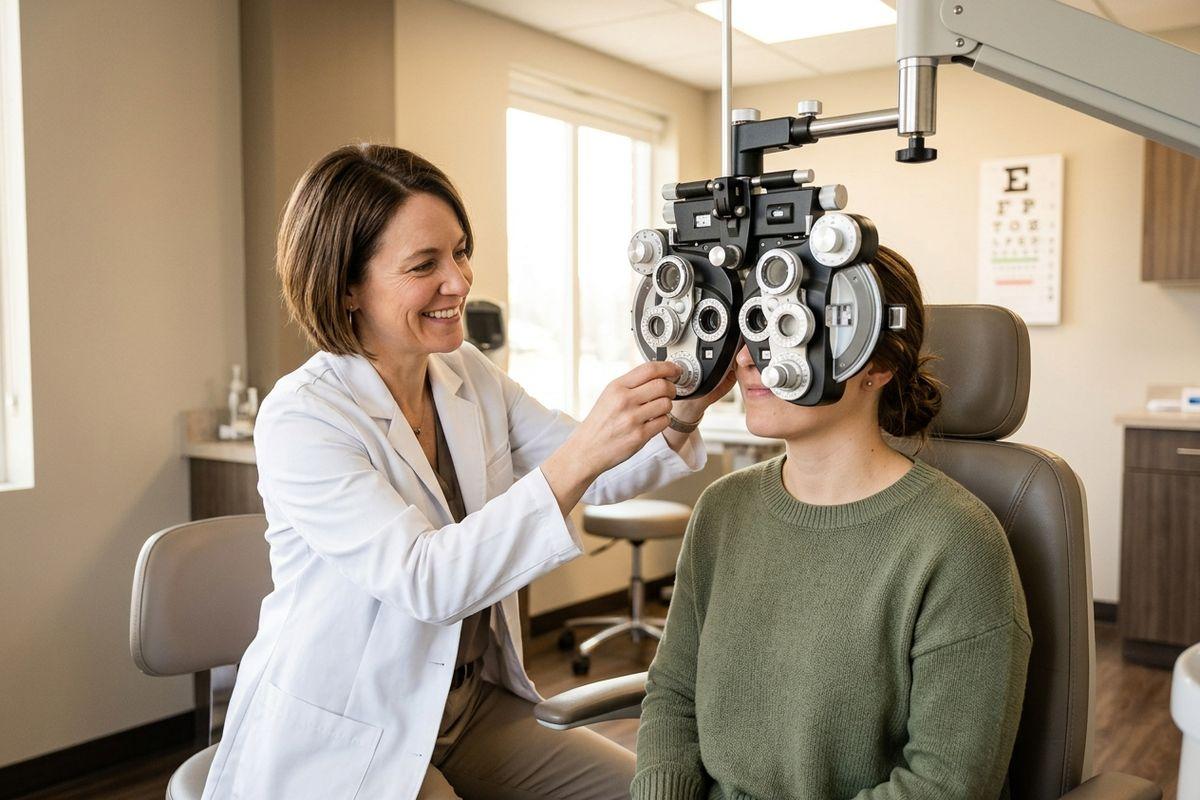
Finding the right path forward starts with a comprehensive children’s eye exam. An optometrist in Guelph can perform a thorough assessment of your child’s eye health and vision. This visit is the perfect time to discuss your child’s lifestyle, from hobbies to screen time, and talk about helpful habits, like using the 20-20-20 rule during homework.
Create a Custom Myopia Plan
Because every child is unique, there is no one-size-fits-all solution for myopia. The right plan is the one tailored to your family’s needs, your child’s activities, and your shared preferences. Your eye doctor can walk you through the pros and cons of each option, helping you make a confident and informed choice that fits your life.
Come See Us
Our team at Clarity Optometry & Vision Care is here to provide personalized care for every stage of life. To learn more about myopia management options for your family, book an appointment today.