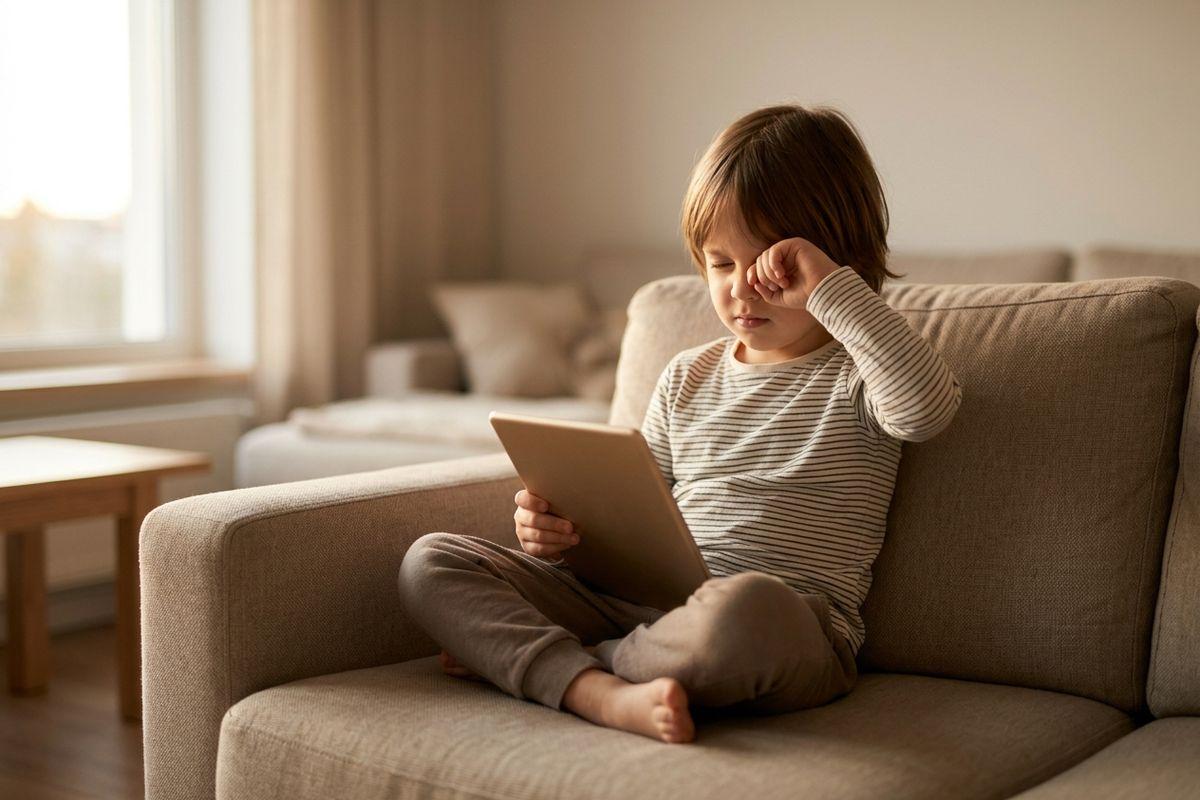
Homework lives on a tablet now, and so does a lot of the fun that comes after it. Add up the school apps, video calls, and a couple of hours of gaming, and your child’s eyes stay locked on a screen for most of the day. That kind of steady, close focus takes a toll, and you might notice more eye rubbing or complaints by the time evening rolls around.
Screen time can affect your child’s eyesight, though most of the effects are short-term and easy to manage with a few, small habit changes.
How Screens Affect Your Child’s Eyes
Long stretches of close focus put real strain on your child’s eyes. Optometrists sometimes call this digital eye strain, and it’s becoming more common in kids who spend several hours a day on screens. Here’s what it can look like:
- Tired eyes after holding focus on one spot for too long
- Dry, irritated eyes, since kids blink less while staring at a screen
- Trouble adjusting focus when they look up at something far away
Signs of Too Much Screen Time
Kids don’t always say when something feels off. They might not have the words for it, or they just push through and keep playing. Watching for a few clues can help you notice a problem early.
Keep an eye out for these signs:
- Headaches or eye discomfort after screen use
- Blurry vision or itchy, watery eyes
- Rubbing their eyes often
- Losing interest in homework or reading
- Sitting closer to the TV or holding devices closer to their face
One rough afternoon isn’t cause for concern. A pattern that shows up day after day is worth a closer look.
The Link Between Screens and Nearsightedness
Nearsightedness, also called myopia, means your child sees close objects clearly but struggles with things far away. Screen habits are just one piece of a bigger picture, so it helps to look at the full picture before making changes.
Why Time Outdoors Matters
Long days indoors mean less natural daylight, and less daylight exposure is linked to nearsightedness in kids. Close work like reading and tablet time adds to that risk. Balance screen time with time outside and give your child’s eyes a change of scenery.
Nearsightedness rates have climbed in children over the past few decades. Regular outdoor time may help slow how quickly it develops. A trip to the park after school does more than burn off energy.

Healthy Screen Habits for Kids
You don’t have to ban screens to protect your child’s vision. A few steady habits go a long way, and here’s where to start.
The 20-20-20-2 Rule
Try the 20-20-20 rule: every 20 minutes, have your child look at something about 20 feet away for 20 seconds. Then add 2 hours of outdoor time a day when the schedule allows.
Screen Setup and Distance
Small tweaks to where and how your child uses a screen can ease the strain. Set things up like this:
- Keep the screen about an arm’s length away
- Position it slightly below eye level
- Lower the brightness to cut glare from windows and lights
- Add a matte screen protector if glare is still a problem
Better Sleep Routines
Screens in the evening can throw off your child’s natural sleep rhythm. Turn screens off about an hour before bed so their eyes and mind can settle. A calmer bedtime often means an easier morning for everyone.
When It’s Time to Book an Eye Exam
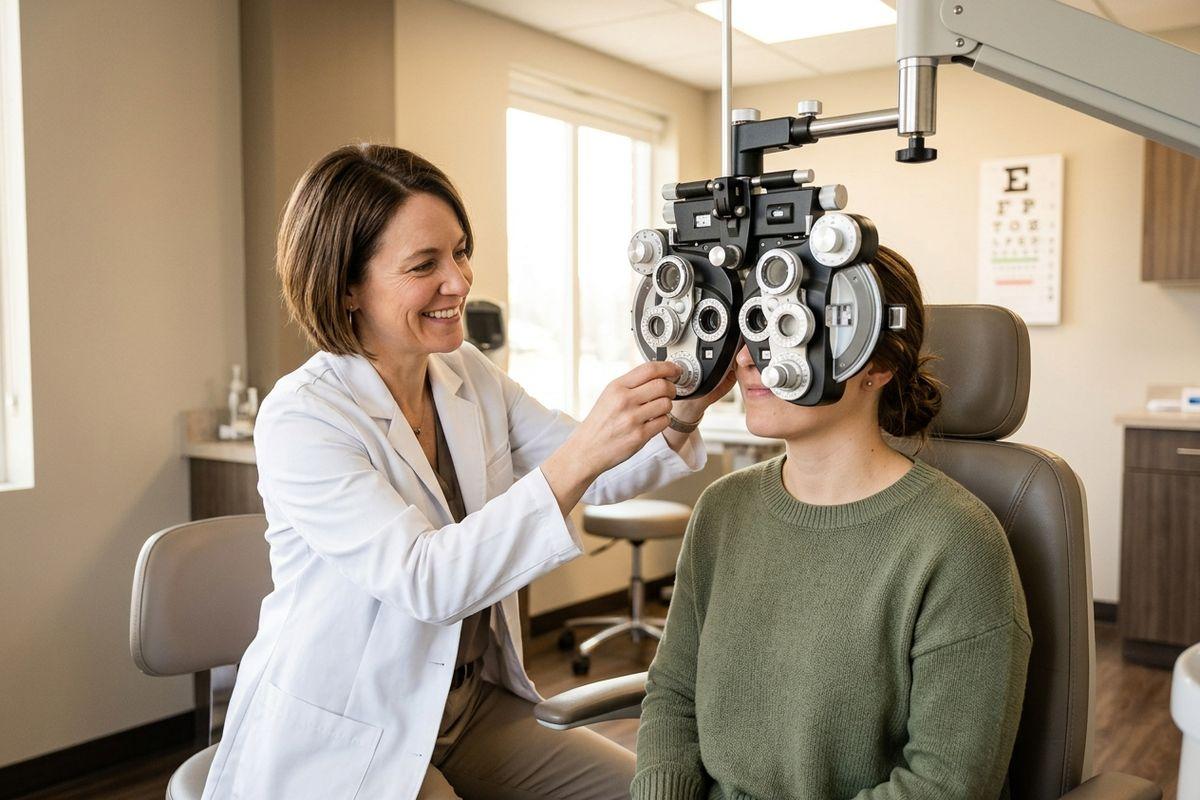
Some signs call for more than a habit change. If your child keeps mentioning headaches or eye discomfort, an eye exam can help figure out what’s going on.
Here’s when to book a visit:
- Ongoing headaches or eye discomfort after screen use
- Regular checkups to track your child’s eyes as they grow
- Any noticeable change in how they see the board at school or the TV at home
- Squinting or tilting their head to focus on things
Give Their Eyes What They Need to Keep Up
Screens aren’t going anywhere, and that’s okay. A few small habits and some time outdoors do a lot of the heavy lifting for your child’s vision. Regular checkups round things out.
If your child’s been rubbing their eyes, squinting at the board, or complaining after school, don’t wait for it to sort itself out. Clarity Optometry & Vision Care works with families to keep growing eyes comfortable and clear. Book an eye exam with one of our optometrists and get ahead of it.