
Key Takeaways
- Dry eye happens when your eyes make too few tears or tears of low quality.
- Preservative-free drops suit contact lens wearers and sensitive eyes.
- Oil-based drops, gels, and ointments may offer longer relief for moderate to severe dryness.
- Check the label, not just the brand name.
- Drops ease symptoms, but an eye exam can help find the cause of your dryness.
The Right Drops Depend on Your Situation
You’re three hours into a study session at the library, and your eyes feel scratchy and tired. Maybe you’re at home chasing a toddler, and every blink stings. Eye drops can bring comfort, but the pharmacy shelf holds dozens of choices, so students and families who visit Clarity Optometry & Vision Care often ask which bottle they should grab.
There’s no ‘best’ kind of eye drop for everyone. Instead, the right drops for you depends on your symptoms, whether you wear contact lenses, and how often you need relief. Preservative-free drops suit many people, while thicker drops and gels may help with more persistent dryness. If you want to know what’s behind your symptoms, a dry eye exam with our team can help point you toward drops that fit.
What Is Dry Eye?
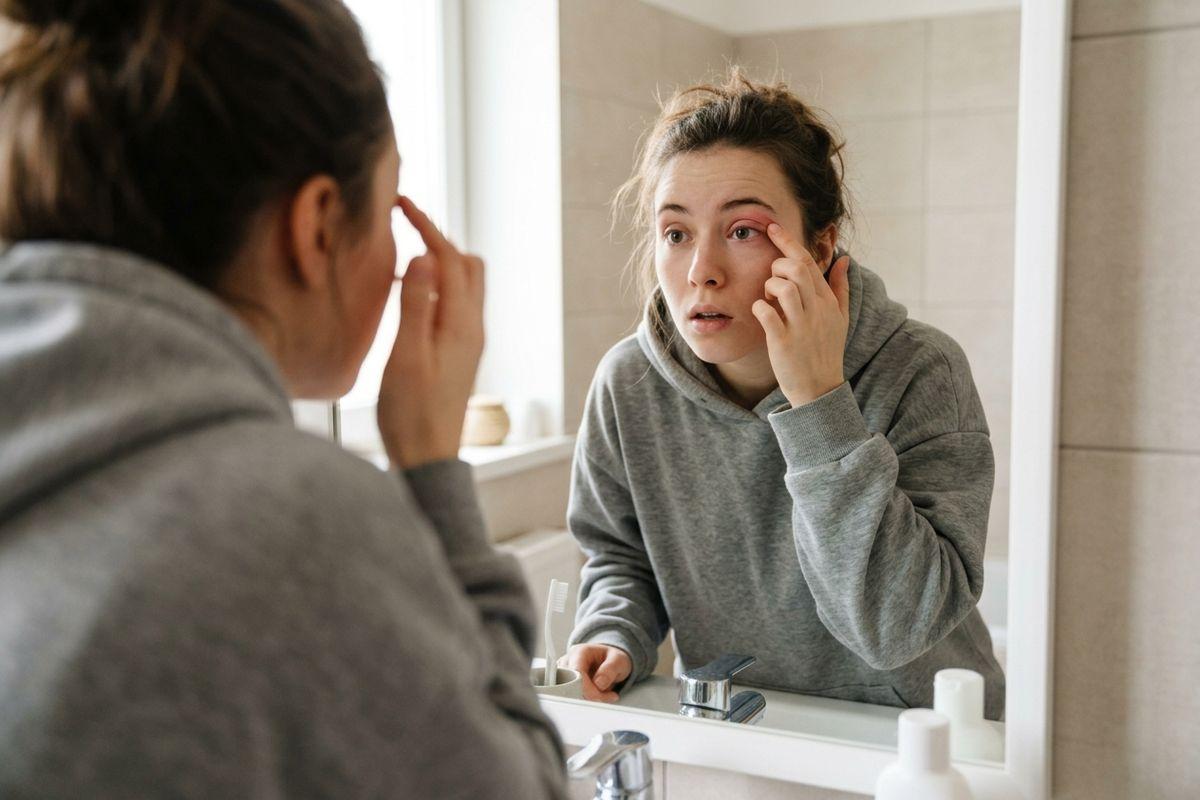
Dry eye happens when your eyes don’t have enough good-quality moisture to stay comfortable. It can affect anyone, from first-year students to busy parents to seniors. Common factors that contribute to dry eye include:
- Your eyes make too few tears, or the tears they make are low in quality.
- Allergies, hormone changes, and smoking.
- Dry air, aging, and health conditions like diabetes.
- Inflammation on the surface of your eyes or along your eyelids, which can disrupt how well your tears work.
Common Signs of Dry Eye
Dry eye can show up in different ways, so watch for these signs:
- Your eyes feel gritty, as if a speck of dust is stuck inside them.
- Your eyes burn, itch, or feel irritated.
- You experience blurriness that comes and goes, especially when you blink.
- You experience light sensitivity.
What Types of Eye Drops Help Dry Eyes?
Each type of drop works a little differently, so knowing the options can help you pick the right one.
Preserved & Preservative-Free Drops
Many drops come in a multi-use bottle with preservatives. These preservatives help keep bacteria away, but may irritate your eyes over time.
Preservative-free drops, on the other hand, usually come in small single-use vials and are less harsh on your eyes. They’re often a good choice for contact lens wearers and people with sensitive eyes.
Oil-Based Drops & Eye Sprays
Oil-based drops are thicker than regular drops. They help slow tear evaporation, so they may help with moderate to severe dryness.
Eye sprays take a different approach: you just mist them onto your closed eyelids. That makes them easy to use if drops feel tricky to apply.
Gels & Ointments
Gels offer longer comfort, but their thickness means that they can blur your vision for a short time after use. Many gels contain preservatives, so it’s wise to limit how often you use them.
Ointments coat your eye, and many people use them at bedtime, when the blurriness they cause in the short term doesn’t matter much.
Allergy & Combination Drops
If itchy eyes are your main complaint, allergy drops may help calm the itch. They aren’t designed to replace lost moisture, though, and some can leave eyes feeling drier. Combination allergy and dry eye drops aim to do both, which may suit people whose dryness flares up during allergy season.
If you wear contact lenses, check the label, as some allergy drops require you to remove your lenses first. Not sure whether allergies, dryness, or both are behind your symptoms? Your optometrist can help sort it out.
How Do You Pick Eye Drops That Fit Your Needs?
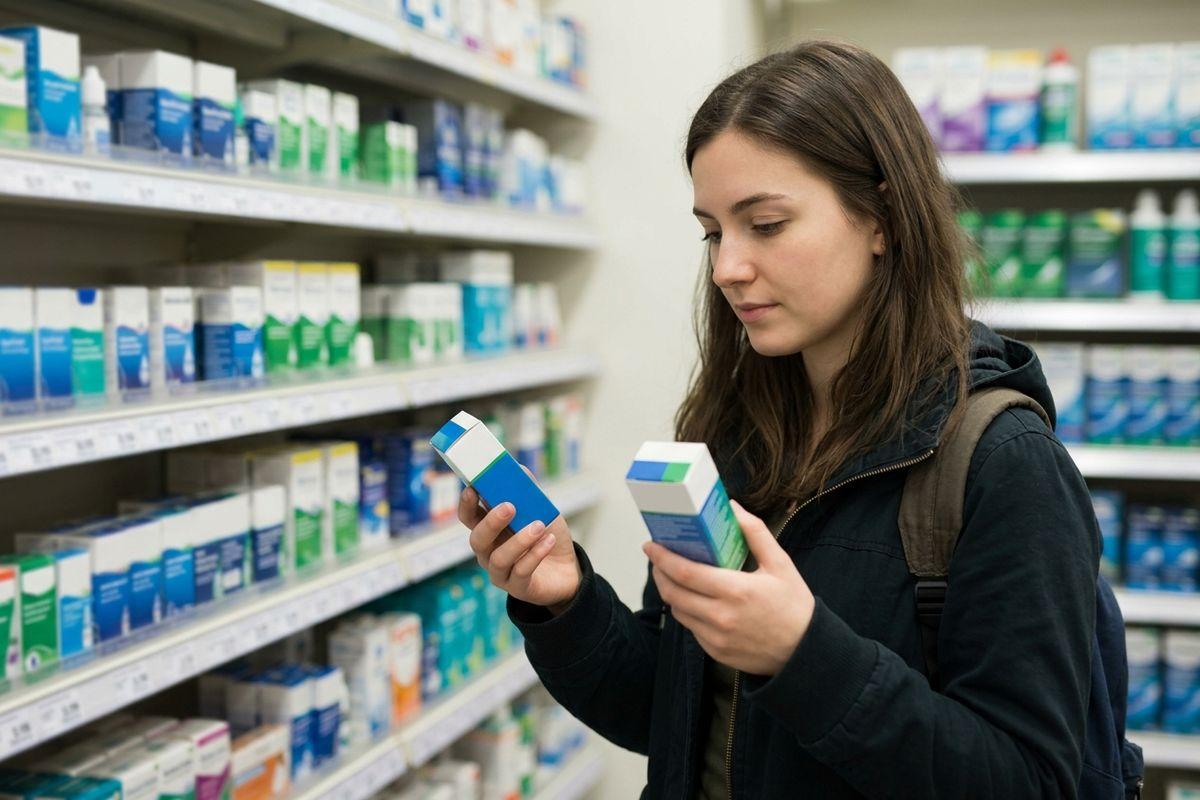
If You Wear Contact Lenses
Preservative-free drops are a good choice because they leave no residue on your lenses. Oil-based drops may stick to the surface of your lenses, while many gels aren’t suited for contact lens wear. Check allergy and combination drops carefully, as not all are suited to contact lens wear.
If Your Dry Eye Feels Severe
When regular drops wear off quickly, oil-based drops or gels may offer longer relief. A bedtime ointment can soothe your eyes overnight and help you wake up feeling more comfortable.
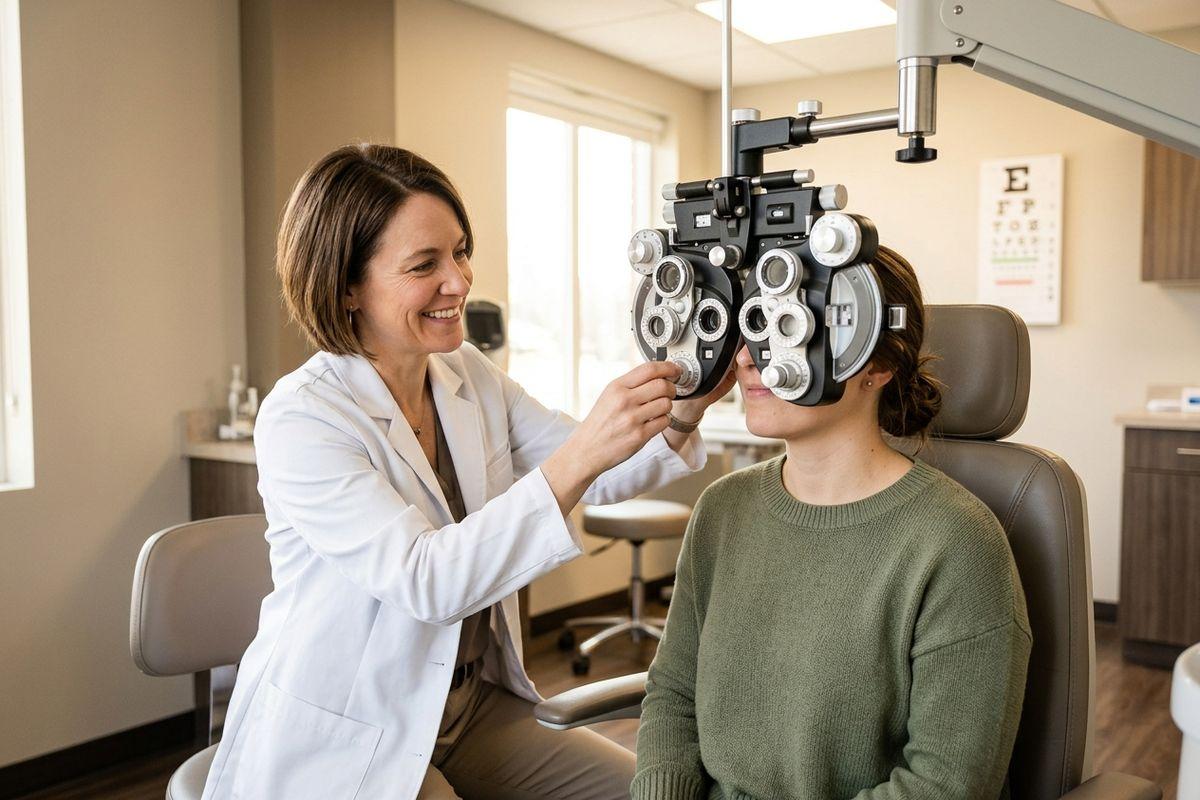
If your dryness persists or worsens, we recommend that you book an eye exam. Your optometrist can assess your eyes, identify the cause of your discomfort, then recommend a management plan.
Brand Names on the Store Shelf
Many brands offer both preservative and preservative-free options. Two bottles with the same logo can contain very different ingredients, so always check the label, not just the brand.
Bring your current drops to your next eye exam. Your eye doctor can see what you’ve been using and suggest changes if needed.
Tips for Safe & Comfortable Eye Drop Use
A few simple habits can help you get more comfort from your drops:
- Toss opened single-use vials after 24 hours.
- Keep opened vials in the fridge between uses.
- Skip eye sprays when you’re wearing eyelid makeup, lotions, or creams.
When Dry Eye Is Inflammatory
For some people, dry eye isn’t just about having too few tears. Inflammation on the eye’s surface or along the eyelids can disrupt the tear film and keep symptoms coming back.
Over-the-counter drops can lubricate your eyes and bring comfort, but they typically don’t treat inflammation. Signs may include ongoing redness, burning that doesn’t settle, or relief that fades soon after using drops. An optometrist can check for inflammation and talk through options, which may include prescription drops, eyelid care, or in-office treatments.
See an Optometrist in Guelph for Dry Eye Relief
Why Drops Offer Short-Term Comfort
Drops can ease the scratchy, burning feeling, but they don’t address the root cause of dry eye. Even so, the right eye drops can make a big difference to your comfort.
Care for Students & Families
When you visit an optometrist in Guelph at Clarity Optometry & Vision Care, we’ll look for the cause behind your dryness. From there, we can recommend drops and care suited to your eyes and your routine. Book a dry eye exam with our team today and get clear answers about which drops can help your eyes feel more comfortable.